
Our Services
Roof Replacement
Roof replacement is a significant construction project that involves removing an existing roof and installing a new one. It is typically done when the existing roof is no longer functional or has reached the end of its lifespan. Roof replacement is a crucial investment in the long-term integrity and protection of a building, whether it's a residential home, commercial property, or any other structure with a roof.
Here are the key aspects of a roof replacement:
1. Assessment and Inspection: The process begins with a thorough inspection of the existing roof. Roofing professionals assess the condition of the roof, looking for signs of damage, leaks, structural issues, and overall wear and tear. They also consider the type of roofing material in use and its age.
2. Material Selection: After the assessment, the homeowner or building owner, in consultation with the roofing contractor, selects the type of roofing material for the replacement. Common roofing materials include asphalt shingles, metal roofing, tile roofing, wood shakes, and more. The choice depends on factors like budget, aesthetics, climate, and durability.
3. Cost Estimate: The roofing contractor provides a detailed cost estimate, outlining the expenses associated with the replacement, including labor, materials, permits, disposal of old roofing materials, and any additional work required, such as repairs to the roof deck or structural enhancements.
4. Permits and Planning: Depending on local regulations, obtaining the necessary permits may be required before commencing the roof replacement. The roofing contractor will handle the permitting process and plan the project timeline.
5. Removal of Existing Roof: The existing roof is carefully removed. This process involves stripping away the old roofing materials, including shingles, underlayment, and sometimes the roof deck if it's damaged or deteriorated.
6. Roof Deck Inspection and Repairs: Once the old roofing materials are removed, the roof deck is inspected for any damage or deterioration. Any damaged sections are repaired or replaced to ensure a solid foundation for the new roof.
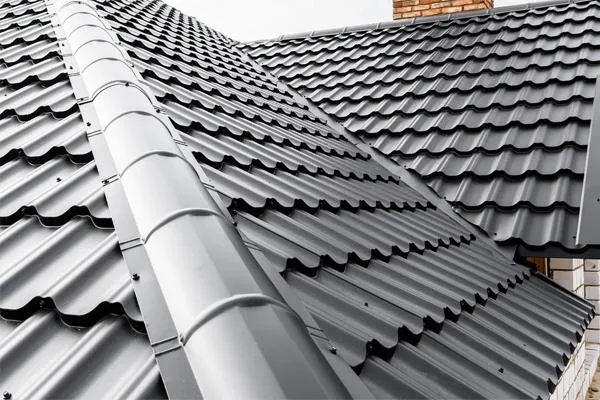
7. Installation of New Roofing Materials: With the roof deck prepared, the new roofing materials are installed according to manufacturer specifications and industry best practices. This includes laying down underlayment, applying the chosen roofing material (e.g., shingles, metal panels, tiles), and installing flashing and ventilation components.
8. Cleanup:
Roofing contractors are responsible for cleaning up the work site, removing debris, and ensuring that the property is left in a clean and safe condition.
9. Inspection and Quality Assurance:
After the installation is complete, the roofing contractor conducts a thorough inspection to verify that the new roof meets quality standards and is watertight.
10. Warranty:
Many roofing contractors offer warranties on their workmanship and the roofing materials used. These warranties provide assurance that the roof replacement is protected against defects and issues for a specified period.
11. Maintenance and Care:
Proper maintenance and care of the new roof are essential to ensure its longevity. Regular inspections and maintenance help prevent problems and extend the roof's lifespan.
Roof replacement is a significant investment that can enhance the appearance, value, and protection of your property. It's important to work with a reputable roofing contractor with experience in roof replacement projects to ensure a successful and durable result.
GSD Roofing
(818) 123-4567
CA License#1232860
Serving Los Angeles
Agoura Rd
Suite #37
Agoura Hills, CA 91301
Quick Links
Service Areas
Services
Reviews
Contact Us
Connect with Us
Google
Yelp
Facebook
GSD Realty © 2026 All Rights Reserved.